Physical Address
304 North Cardinal St.
Dorchester Center, MA 02124
Physical Address
304 North Cardinal St.
Dorchester Center, MA 02124
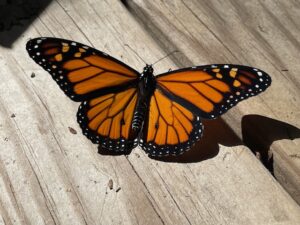
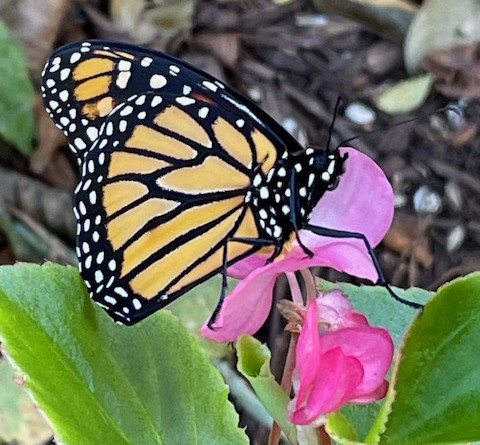
If you’ve ever paused to watch a monarch float across a yard or roadside meadow, you’ve felt that small jolt of wonder. Those orange-and-black wings are more than pretty—they’re part of a bigger story about wild places, resilient journeys, and how our everyday choices ripple through nature.
Monarchs connect people to nature in a hands-on way. Kids can follow the entire arc—egg, caterpillar, chrysalis, and butterfly—and witness a real transformation. Adults get a front-row seat to seasonal rhythms. As nectar feeders, monarchs share pollination duties with bees and other butterflies, helping stitch plant communities together. They’re also a living dashboard light: species with specialized needs—specific host plants and long migration routes—show stress early when landscapes change.
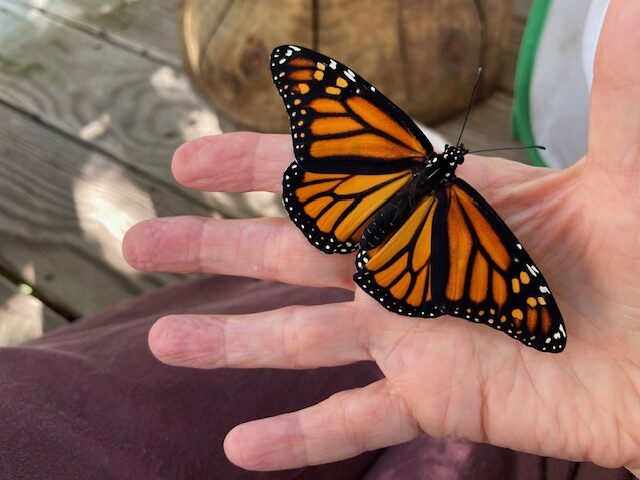
There’s no single culprit. It’s a stack of pressures:
Think of a relay race, not a round-trip marathon. In the spring, butterflies that survived the winter move north, lay eggs on fresh milkweed, and their offspring extend the range farther. Another generation continues the leapfrogging in early summer. By late summer, a “super generation” emerges—wired to delay reproduction, store energy, and fly hundreds to thousands of miles to wintering sites. Come late winter, they head north, mate, and the cycle resets.
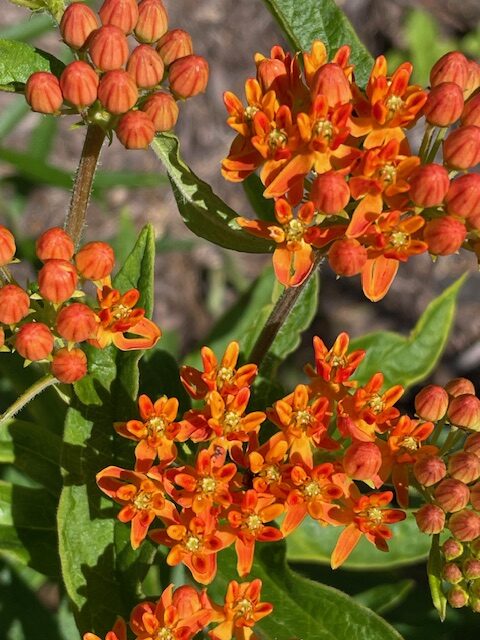
Plant milkweed that matches your local conditions.
Monarch caterpillars eat only milkweed (Asclepias spp.). Choose natives appropriate to your region and site:
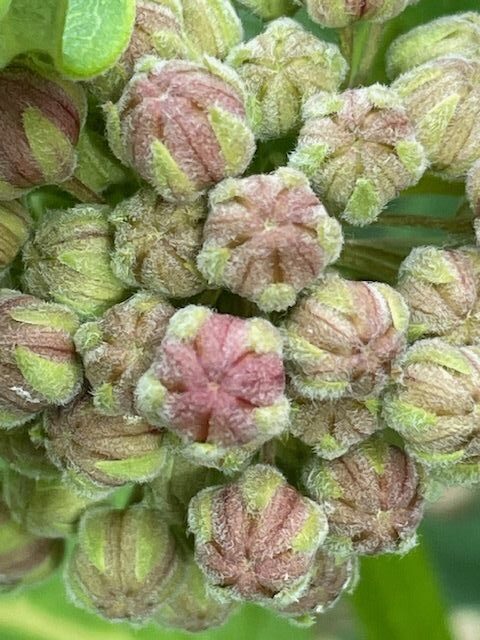
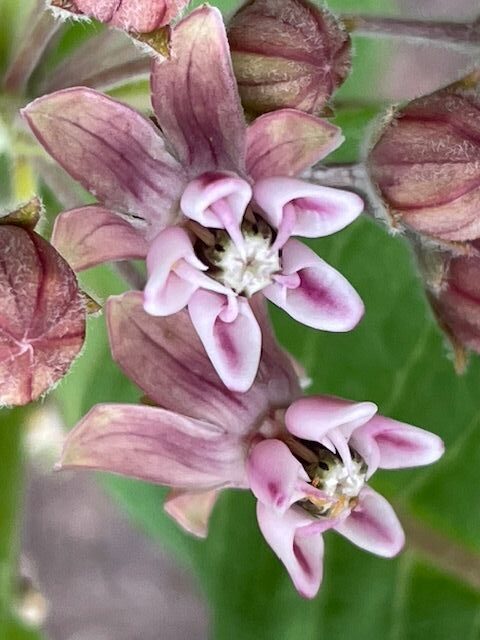
Serve nectar from spring through fall.
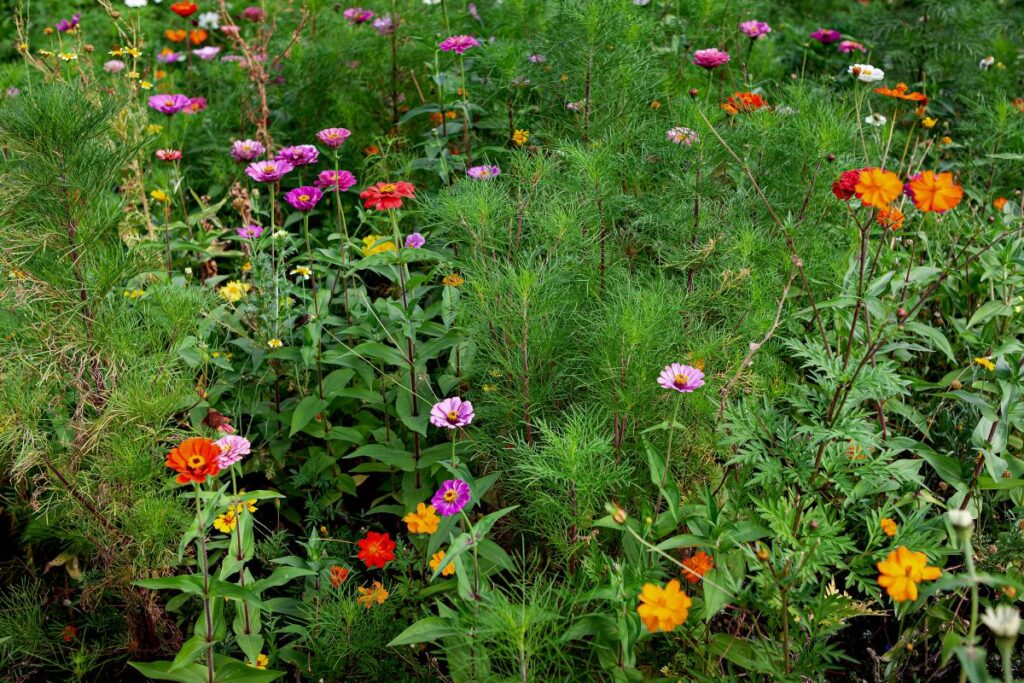
Aim for a bloom relay: spring (phlox, penstemon), summer (bee balm, coneflower, mountain mint, black-eyed Susan), and fall—most critical—asters and goldenrods for migrating fuel. Plant in clumps so butterflies spend less energy flying between flowers.
Go easy on chemicals – Spot-treat only if absolutely necessary. Avoid systemic insecticides on any plant that blooms. Many pest flare-ups fade as beneficial insects arrive.
Let a corner be a little wild – Leave a strip unmowed, keep some leaf litter, and let seedheads stand until spring. Small, shaggy patches become shelter and food factories for countless species.
Time your trims – Cutting milkweed in midsummer can prompt the growth of fresh leaves for late-season caterpillars. But don’t shear fall nectar plants just as migration peaks.
Join the story – Log sightings on community science platforms (e.g., iNaturalist, Monarch Watch, Journey North) or help with tagging events. Your notes become real data for conservation.
Monarchs don’t need perfection—just a chain of good-enough places stitched across neighborhoods, farms, schoolyards, park edges, and balconies. Plant region-appropriate milkweed, keep nectar flowing, loosen the grip on “tidy,” and give those wings a reason to stop by. That’s how small yards make a big highway.
The monarch is the canary in the cornfield, a harbinger of environmental change. — Dr. Lincoln P. Brower
Nothing wrong with that! Your inbox, now 100% more outdoorsy—free nature facts & fun.